1. Establishing the Age Harmonics chart
1. Establishing the Age Harmonics chart
Age Harmonics · 41.656395
November 18, 2026 · 00:00 UT · AstroDienst · Whole Sign
Ascendant
Sagittarius
Midheaven
Aries
Most concentrated sign
Capricorn
Elemental emphasis
Earth
First, a distinction about interpretation: harmonic charts are mathematical transformations of natal chart positions. Their placements should not be read as though the actual planets are currently transiting those signs.
I'll treat the placements and geometry you've supplied as the source, and distinguish the symbolic interpretation from the actual sky.
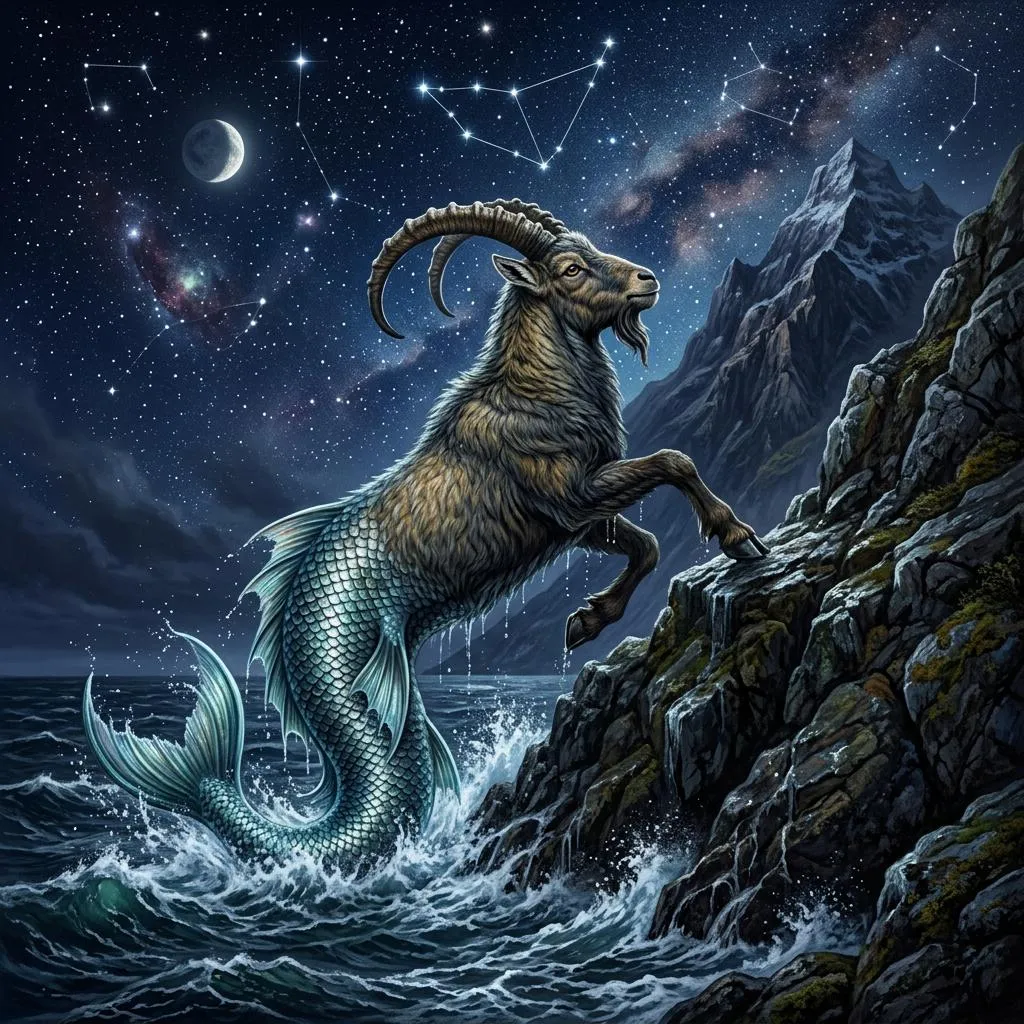
2. The five Capricorn placements
Major concentration · 2nd House
| Placement | Degree |
|---|---|
| Jupiter | 18°51′ |
| Pluto ℞ | 12°14′ |
| Ceres | 14°26′ |
| Vesta ℞ | 13°13′ |
| Eris | 20°16′ |
All five fall in the 2nd House under the Sagittarius Whole Sign Ascendant.
This is the most concentrated area of the chart.
The 2nd House represents personal resources, material security, values, possessions, and the things we consider worth investing in.
Capricorn adds themes of:
-
Structure.
-
Responsibility.
-
Long-term development.
-
Organization.
-
Sustainability.
-
Building something that lasts.
But the interesting part is how these five placements relate to one another.
Pluto, Vesta, and Ceres
Close conjunction grouping
-
Pluto–Vesta: 0°59′.
-
Pluto–Ceres: 2°12′.
-
Vesta–Ceres: 1°13′.
This is a very tight three-point grouping.
Symbolically:
Pluto: Transformation, power, and deep restructuring.
Vesta: Dedication, focus, and sustained commitment.
Ceres: Nourishment, cultivation, and cycles of growth.
In the 2nd House, this creates a strong concentration around the relationship between resources, dedication, and what is cultivated over time.
I would interpret this as a particularly important theme of the age-harmonic chart.
Jupiter and Eris
Jupiter at 18°51′ Capricorn is conjunct Eris at 20°16′ Capricorn, approximately 1°25′ apart.
Jupiter represents expansion and development.
Eris represents disruption and the recognition of what has been excluded or overlooked.
This adds another dimension to the Capricorn concentration.
Jupiter is also traditionally in fall in Capricorn.
That doesn't mean Jupiter is ineffective. It means Jupiter's expansive nature is expressed through a sign that emphasizes limitation, responsibility, and practical results.
The combination invites examination of growth through structure rather than growth without boundaries.
The chart ruler is part of this concentration
Your Sagittarius Ascendant makes Jupiter the chart ruler.
And Jupiter is in Capricorn in the 2nd House.
This is important.
The chart ruler is not sitting somewhere disconnected from the dominant configuration. It is right inside the largest concentration.
The overall symbolic emphasis therefore repeatedly returns to resources, values, responsibility, and long-term development.
3. The Grand Earth Trine
Major geometric discovery
I found another configuration worth highlighting in your degree list.
Your Earth placements form a Grand Earth Trine network.
The clearest three-point configuration is:
| Point | Position |
|---|---|
| Mercury | 21°25′ Taurus |
| Jupiter | 18°51′ Capricorn |
| Juno | 23°34′ Virgo |
The approximate aspects:
-
Mercury–Jupiter trine: 2°34′.
-
Jupiter–Juno trine: 4°43′.
-
Juno–Mercury trine: 2°09′.
Mars at 24°27′ Taurus also participates:
-
Mars–Juno: approximately 0°53′ trine.
-
Mars–Jupiter: approximately 5°36′ trine.
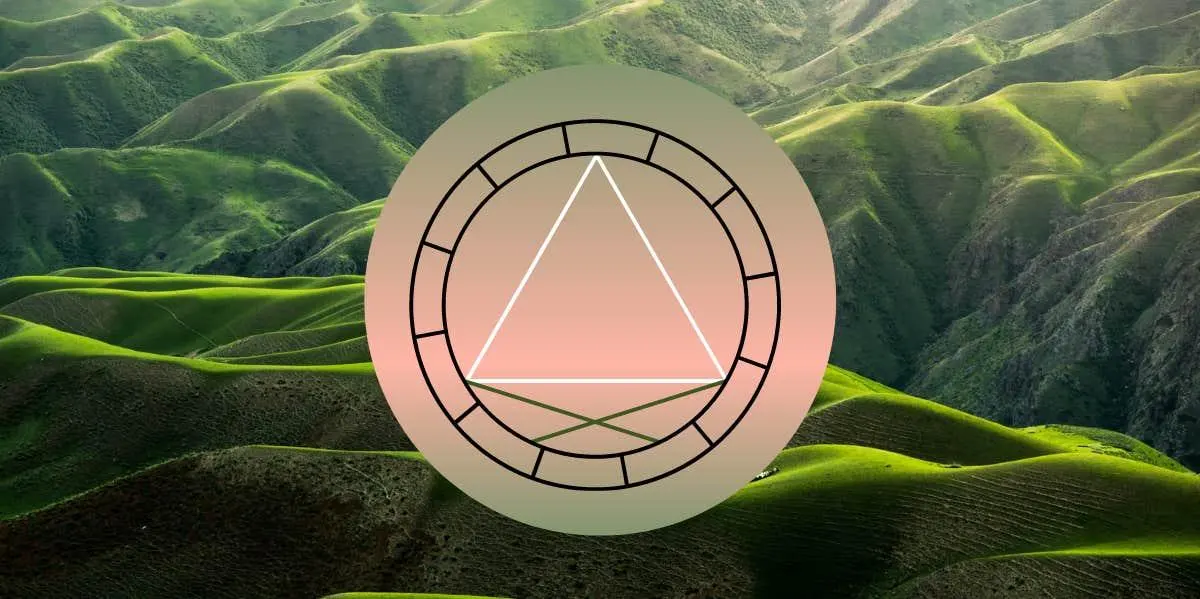
This is an important discovery because it adds a coherent triangular structure to the chart's otherwise complicated aspect network.
What does it connect?
-
Mercury in Taurus: practical thinking and communication.
-
Jupiter in Capricorn: expansion through structure.
-
Juno in Virgo: commitment, organization, and agreements.
The houses involved are:
-
6th House: Taurus.
-
2nd House: Capricorn.
-
10th House: Virgo.
This is a particularly cohesive Earth-sign relationship.
The 2nd, 6th, and 10th Houses connect resources, everyday application, and public direction.
There is a recurring relationship between what is valued, what is developed, and what becomes useful.
And notice how this echoes the Earth Grand Trine we found in your solar return.
The points are different, but the Earth element and the 2nd/6th/10th House relationship are repeated.
That is worth keeping in our comparative notes.
4. The Mercury–Mars conjunction in Taurus
Approximately 3°02′
Your Mercury and Mars are conjunct in Taurus in the 6th House.
See Mercury at its best in the night sky this month | Space
Mercury · 21°25′ Taurus
Thinking, communication, information.
$4M BNB Stonks Season - DappBay
Mars · 24°27′ Taurus
Initiative, effort, action.
This is an interesting pairing.
Mercury processes information.
Mars acts upon it.
Taurus prefers tangible, practical, and sustained approaches.
The 6th House concerns work, routines, methods, and daily responsibilities.
The conjunction also trines Jupiter in Capricorn.
So we have a connection between:
-
Information.
-
Action.
-
Structure.
-
Practical results.
This is another component of the Grand Earth Trine network.
5. The Saturn–Uranus relationship
Your chart has:
-
Saturn retrograde in Libra: 10°45′.
-
Uranus retrograde in Aquarius: 6°45′.
These form a trine of approximately 4°.
Saturn represents structure and established systems.
Uranus represents innovation and change.
This is a particularly interesting relationship because both planets occupy Air signs.
In your Whole Sign chart:
-
Saturn is in the 11th House.
-
Uranus is in the 3rd House.
This connects information and communication with networks, communities, and long-term aspirations.
The trine can be interpreted as a relationship between established structures and innovative approaches.
It also creates an interesting contrast with the strong Capricorn concentration.
Capricorn wants something sustainable.
Uranus wants to experiment.
Saturn wants to establish a workable structure.
Symbolically, this is a combination of maintaining what works while being willing to change what doesn't.
6. The Sun–Jupiter–Saturn configuration
This is another important part of the chart's geometry.
Your placements:
-
Sun: 19°38′ Cancer.
-
Jupiter: 18°51′ Capricorn.
-
Saturn: 10°45′ Libra.
The Sun and Jupiter are almost exactly opposite, approximately 0°46′.
The Sun is also square Saturn, although that square is wide, approximately 8°53′.
Jupiter is square Saturn by approximately 8°06′.
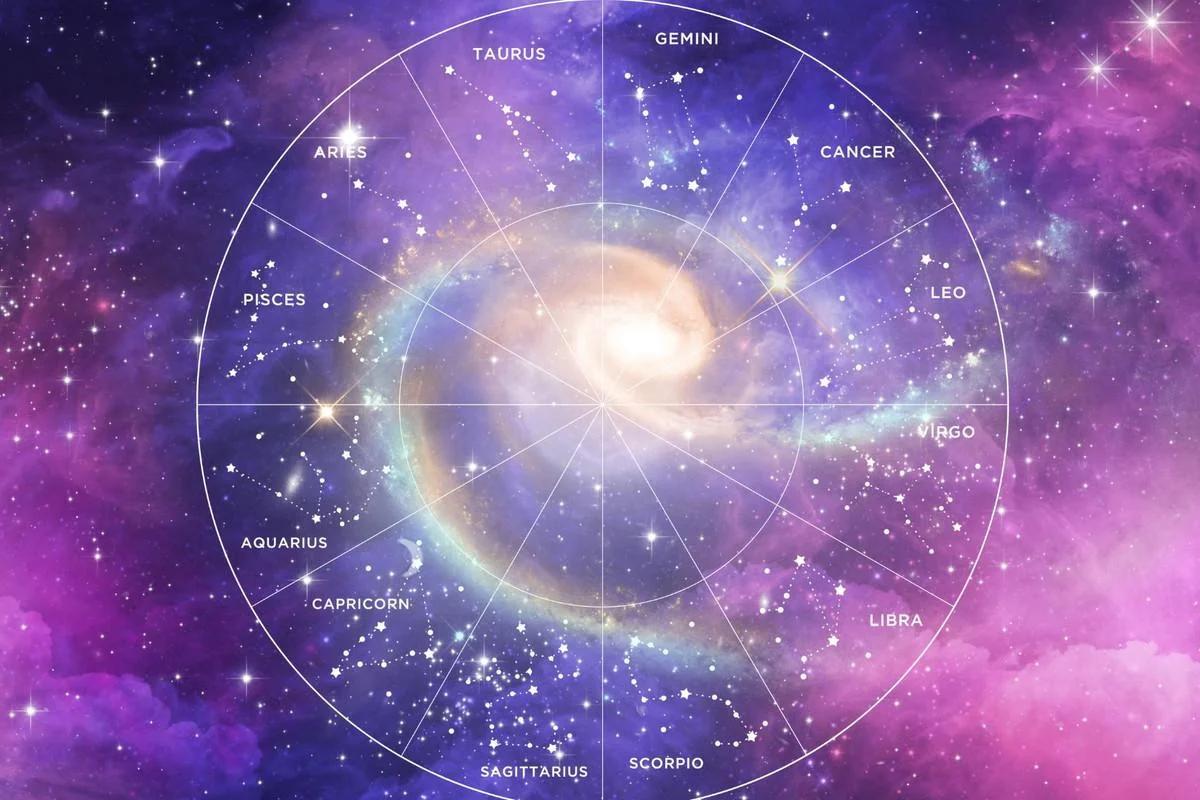
This produces a broad cardinal tension network.
-
Sun in Cancer: security, belonging, nourishment.
-
Jupiter in Capricorn: expansion through structure and responsibility.
-
Saturn in Libra: balance, commitments, and agreements.
The opposition between Sun and Jupiter is especially important.
It creates a relationship between the Cancer and Capricorn principles: personal security and the practical structures required to maintain it.
Saturn adds another dimension involving balance and responsibility.
I would give the Sun–Jupiter opposition substantially more weight than the wider squares.
7. The chart's dispositor chain
Here is another connection I particularly like.
Your Capricorn concentration is ruled by Saturn.
Saturn is in Libra, ruled by Venus.
Venus is in Leo, ruled by the Sun.
The Sun is in Cancer, ruled by the Moon.
The Moon is in Scorpio, ruled by Mars.
Mars is in Taurus, ruled by Venus.
This produces a closed loop:
Age Harmonic dispositor circuit
Saturn
Libra · 11th House
Venus
Leo · 9th House
Sun
Cancer · 8th House
Moon
Scorpio · 12th House
Mars
Taurus · 6th House
Returns to Venus
This is a particularly interesting structure because Saturn rules the five-planet Capricorn concentration.
The Capricorn placements feed into Saturn, and Saturn ultimately feeds into the Venus–Sun–Moon–Mars circuit.
So the chart's biggest concentration is connected to a continuous circuit involving:
-
Commitments and networks.
-
Creativity and perspective.
-
Identity and belonging.
-
Emotional needs and deeper reflection.
-
Practical work and application.
The chart ruler Jupiter is also in Capricorn, so it enters this circuit through Saturn.
8. The missing Pisces placement
You noticed that Pisces is the only sign without a placement.
That's correct based on the positions you've provided.
Under Whole Sign houses, Pisces is also your 4th House.
I wouldn't interpret an empty sign as an absence of that sign's qualities or as a missing life area.
Instead, I would look at the ruler.
Pisces is traditionally ruled by Jupiter.
Jupiter is in Capricorn in the 2nd House, conjunct Eris.
That means the empty Pisces region is still connected to the chart's dominant Capricorn concentration through its ruler.
This is another reason Jupiter deserves attention.
9. Comparing the Age Harmonics with your other charts
Now let's connect this to the larger investigation.
| Theme | Natal | Solar return | Age harmonics |
|---|---|---|---|
| Capricorn | Ascendant | 2nd House placements | 2nd House concentration |
| Aries | 4th House stellium | 5th House concentration | MC in Aries |
| Taurus | Natal Mars and North Node | 6th House concentration | 6th House concentration |
| Scorpio | Natal Pluto, Saturn, Vesta | — | Moon and Neptune |
| Aquarius | Natal Jupiter | 3rd House Pluto | 3rd House Uranus and Node |
There are some interesting repetitions.
Taurus and practical development: Your natal Mars and North Node are in Taurus. The solar return places the Moon, Uranus, and Ceres in Taurus. The Age Harmonics chart places Mercury and Mars in Taurus.
Capricorn and foundations: Your natal Ascendant is Capricorn. The Age Harmonics chart concentrates five placements in Capricorn.
Aries and identity: Your natal Aries 4th House concentration is one of the strongest features of your birth chart. The solar return and the other chart layers repeatedly activate that region.
These repetitions are worth exploring, although they should not be mistaken for additional transits or independent predictions.
10. A few aspect-list corrections
I checked some of the degree relationships you supplied.
| Listed aspect | Degree-based correction |
|---|---|
| Moon conjunct Pholus | Opposition, approximately 2°50′ |
| Jupiter conjunct Pluto | Wide conjunction, approximately 6°37′ |
| Jupiter conjunct Eris | Conjunction, approximately 1°25′ |
| Pluto conjunct Vesta | Conjunction, approximately 0°59′ |
| Mercury conjunct Mars | Conjunction, approximately 3°02′ |
| Saturn opposite MC | Very close, approximately 0°19′ |
| Jupiter opposite Sun | Very close, approximately 0°46′ |
I would also pay attention to the Saturn–MC opposition, which is particularly close.
One technical caution: harmonic charts transform the angles as well as planetary positions. Their angle relationships should be read from the harmonic chart itself, rather than assuming they behave exactly like the natal angles.
11. What I think this Age Harmonics chart adds to our investigation
Age 41.656 · Main themes
Strongest configuration
Earth Grand Trine
Mercury–Jupiter–Juno, with Mars participating.
Largest concentration
Five Capricorn placements in the 2nd House.
Chart ruler
Jupiter in Capricorn, ruled by Saturn.
Dispositor structure
Saturn feeds into the Venus–Sun–Moon–Mars closed circuit.
Important angular relationship
Saturn opposite Aries MC, approximately 0°19′.
